stop impulse buying You open a shopping app to buy one thing. Twenty minutes later, the cart holds six items, and you can’t quite remember deciding on most of them. Sound familiar? You’re far from alone, and it isn’t a character flaw.
If you want to stop impulse buying, you don’t need superhuman willpower. You need a few simple systems that put a pause between the urge and the purchase. This guide covers how to stop impulse buying with 10 practical tricks, plus the triggers behind the habit and the mistakes that keep people stuck.
Why It’s So Hard to Stop Impulse Buying
Impulse buying is an unplanned purchase made on the spot, usually driven by emotion rather than a real need. Investopedia’s definition of impulse buying is a good starting point if you want the textbook version.
Here’s why it’s so sticky. Retailers design stores, apps, and emails to make buying feel effortless and urgent. One-click checkout, countdown timers, “only 2 left” banners, and free-shipping thresholds all shorten the time you have to think. Meanwhile, buying something new can deliver a quick mood lift, which makes the habit feel rewarding.
The good news is that impulse spending is mostly a design problem. If the environment pushes you to buy fast, you can redesign your environment to slow you down. That’s the idea behind every trick below, and it’s the most reliable way to stop impulse buying without feeling deprived.
Common Impulse Buying Triggers
Before you fix the habit, learn what sets it off. Most impulse buying triggers fall into a few groups:
- Emotions. Stress, boredom, sadness, and even celebration can lead to “treat yourself” purchases.
- Marketing pressure. Flash sales, limited-time offers, and low-stock warnings create urgency.
- Convenience. Saved cards, one-click checkout, and mobile wallets remove friction.
- Social influence. Influencer posts, friends’ purchases, and targeted ads make you feel like you’re missing out.
- Physical state. Shopping while hungry, tired, or rushed weakens decision-making.
- Easy credit. Credit cards and buy now, pay later options make a purchase feel cheaper than it is.
Spend a week noticing which triggers hit you most. Jot down what you bought, how you felt, and where you were. Patterns show up fast, and they tell you which tricks to try first.
10 Proven Tricks to Stop Impulse Buying
You don’t need all ten at once. Pick two or three that fit your life, then add more as habits stick.
1. Use the 24-Hour Rule
Whenever you want something that isn’t on your plan, wait 24 hours before buying. For bigger purchases, stretch it to a week or even 30 days.
The 24-hour rule works because urges fade. Often the item that felt essential at 9 p.m. feels forgettable by the next afternoon. If you still want it after the wait, buy it with a clear conscience.
2. Unsubscribe and Mute the Noise
Promotional emails and push notifications exist to trigger purchases. Unsubscribe from retailer lists, turn off shopping app notifications, and unfollow accounts that make you feel like you need more stuff.
You’ll still find deals when you actually need something. You just won’t be nudged daily.
3. Delete Saved Cards and One-Click Checkout
Friction is your friend. Remove stored card numbers from browsers, apps, and online stores. Turn off one-click ordering.
When you have to dig out your card and type the number, you get a few extra seconds to ask, “Do I really want this?” Those seconds are often enough to stop impulse buying before it happens.
4. Shop With a List and a Plan
Make a list before you shop, online or in person, and stick to it. Grocery stores and big-box retailers are built to tempt you into the “extras.”
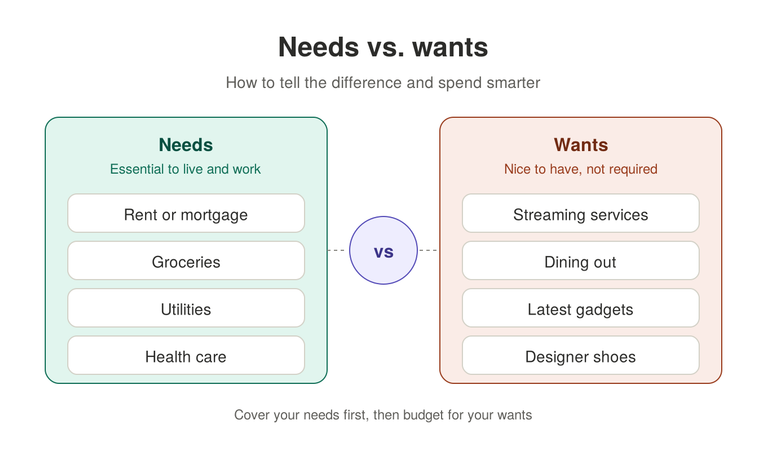
If you’re unsure what belongs on the list, sort items using our needs vs wants guide. Needs go on the list. Wants wait their turn.
5. Give Yourself a “Fun Money” Budget
Strict bans backfire. A better approach is to set a small monthly amount you can spend on anything, guilt-free.
This turns impulse spending into planned spending. When the fun money runs out, it’s out. You also get to enjoy the small treats you actually care about instead of feeling constantly restricted.
6. Convert Prices Into Work Hours
Take the price and divide it by your after-tax hourly pay. A $120 jacket might equal six hours of work for you. Now ask: is this worth six hours of my life?
This simple trick makes abstract numbers feel real. It’s one of the most effective ways to stop impulse buying on emotional, “I deserve it” days.
7. Check Your Mood Before You Check Out
Before buying anything unplanned, run a quick check: Am I hungry, angry, lonely, or tired? If yes, close the tab or walk out of the store.
Emotional spending is one of the strongest impulse buying triggers. Replace the shopping habit with something that meets the real need: a walk, a call with a friend, a snack, or a nap.
8. Keep a Wish List Instead of a Cart
When something catches your eye, add it to a note or wish list rather than the cart. Review the list once a week.
You’ll notice that many items lose their shine. The ones that survive a few weeks of review are better candidates for a planned purchase.
9. Automate Savings First
Pay yourself first. Set up an automatic transfer to savings on payday so the money is gone before temptation shows up. Many people find it easier to stop impulse buying when there’s simply less loose cash in the checking account.
Online banks and neobanks often let you split savings into separate “buckets” with names like “Emergency Fund” or “Vacation.” Seeing a goal attached to your money makes it harder to waste. Just confirm any provider is FDIC-insured before you deposit. The CFPB also has a helpful guide to building an emergency fund.
10. Find an Accountability Partner
Tell a friend, partner, or family member you’re working to cut impulse purchases. Agree to text each other before any unplanned purchase over a set amount, say $50.
Saying it out loud adds a layer of honesty that willpower alone can’t provide. It also makes the process less lonely.
Which Trick Should You Try First?
If you’re not sure where to begin, use this table to match the trick to your biggest weak spot.
| Your Main Trigger | Best Tricks to Try | Effort Level |
|---|---|---|
| Late-night online shopping | 24-hour rule, delete saved cards | Low |
| Marketing emails and ads | Unsubscribe, mute notifications | Low |
| Emotional or stress spending | Mood check, wish list | Medium |
| Overspending at stores | Shopping list, fun money budget | Medium |
| Too much loose cash | Automate savings, work-hours math | Medium |
| Need extra motivation | Accountability partner | Low |
Start with one low-effort fix this week. Small wins build momentum faster than a total spending overhaul.
Mistakes That Make It Harder to Stop Impulse Buying
- Relying on willpower alone. Willpower runs out. Systems and friction don’t.
- Going cold turkey. Total bans often lead to a rebound binge. A fun money budget is more sustainable.
- Using buy now, pay later as a loophole. Splitting a purchase into smaller payments can make an impulse buy feel painless, but you still owe the full amount.
- Chasing “deals” you didn’t need. A 40% discount on something you wouldn’t have bought isn’t savings. It’s spending.
- Beating yourself up after a slip. One impulse buy doesn’t erase your progress. Note the trigger, adjust, and move on.
- Skipping the underlying cause. If stress or boredom drives your shopping, fix that need directly.
- Keeping saved cards “just in case.” Convenience is exactly what you’re trying to remove.
What to Do With the Money You Save
Cutting impulse spending only pays off if the money goes somewhere useful. Here are a few smart destinations:
- Emergency fund. Build a cushion for surprise bills.
- High-interest debt. Paying down credit card balances is often a strong return.
- Retirement or long-term investing. Even small, regular contributions add up.
Curious how much a few skipped purchases can grow? The Rule of 72 shows how long it takes money to double at a given return. When you invest, consider your risk tolerance first so you pick an approach you can stick with. The FDIC’s Money Smart program also offers free financial education if you want to build your skills further.
Frequently Asked Questions
How do I stop impulse buying for good?
There’s no single switch. Combine a few habits: wait before buying, remove stored payment info, unsubscribe from marketing, and automate savings. Over time, these small systems make it easier to stop impulse buying without constant effort.
What is the 24-hour rule?
The 24-hour rule means waiting a full day before making any unplanned purchase. Many people extend the wait for bigger items. If you still want it after the pause, you can buy it knowing it wasn’t just a passing urge.
Why do I impulse buy when I’m stressed?
Shopping can give a quick emotional lift, so the brain links it with relief. Over time that connection can turn into a habit. Replacing the habit with another stress outlet, like exercise or talking to someone, helps break the loop.
Is impulse buying always bad?
Not necessarily. A small, planned amount of fun spending can be healthy. The problem arises when impulse purchases crowd out savings, add to debt, or leave you feeling regret.
Can a budgeting app help me stop impulse buying?
It can. Apps that track spending, set category limits, and send alerts add visibility and friction. They work best alongside other habits, not as a stand-alone fix.
When should I get professional help?
If shopping feels compulsive, causes serious debt, or is hurting your relationships or mental health, consider talking to a licensed mental health professional or a nonprofit credit counselor. Compulsive spending can be a sign of something deeper, and support is available.
Final Thoughts
You don’t need to become a perfect saver overnight. To stop impulse buying, focus on adding a little friction, slowing down, and tying your money to goals that matter to you.
Pick two tricks from this list and try them for 30 days. Delete a saved card, start the 24-hour rule, or set up an automatic transfer. Those small moves add up, and a plan to stop impulse buying beats a lecture about willpower every time.
Ready for your next step? Explore more guides on Growwxritik to keep building smarter money habits.
Disclaimer: This article is for educational purposes only and is not financial, legal, tax, or mental health advice. Your situation is unique, so consult a qualified professional before making decisions about your money or well-being.