You remember causes of inflation when a cup of coffee cost less. Maybe you remember when rent did, too. Prices creep up so steadily that it can feel like a force of nature. It isn’t. There are specific, well-studied reasons it happens.
This guide covers the causes of inflation in plain English. You’ll learn why prices go up, how economists group the causes, what the Federal Reserve does about it, and what you can do to keep your budget steady when costs rise.
What Is Inflation?
Inflation is a general rise in prices across the economy over time. It means each dollar buys a little less than it did before. Investopedia’s inflation overview is a good starting point for the textbook definition.
Two clarifications help. First, inflation isn’t one price rising. It’s the broad trend across many goods and services. Second, a little inflation is normal. The Federal Reserve aims for 2 percent inflation over the longer run, which it considers consistent with stable prices and healthy employment. You can read its reasoning on the Fed’s page about why it targets 2 percent inflation.
In the US, the best-known measure is the Consumer Price Index (CPI), published by the Bureau of Labor Statistics. It tracks the average change in prices paid by consumers for a basket of goods and services.
Why Do Prices Go Up? The Short Answer
Prices rise when too much money chases too few goods, when it gets more expensive to make things, or when people expect prices to keep climbing. Economists usually sort the causes of inflation into a few buckets. Let’s go through them.
7 Simple Causes of Inflation
1. Demand-Pull Inflation
Demand-pull inflation happens when people, businesses, and governments want to buy more than the economy can produce. Sellers notice the demand and raise prices.
Picture a popular new concert. Tickets are limited, but everyone wants one. Prices climb. On a national scale, strong consumer spending, easy credit, or large government spending can push demand beyond what producers can supply.
2. Cost-Push Inflation
Cost-push inflation starts on the supply side. When the cost of producing goods rises, through higher wages, raw materials, or energy, businesses often pass some of those costs to customers.
A bakery is a simple example. If flour, butter, and electricity all get pricier, the bakery either absorbs the cost or raises the price of bread. Many choose the second option.
3. Supply Shocks and Supply Chain Disruptions
Sometimes a sudden event limits supply. A hurricane, a shipping bottleneck, a factory shutdown, or a spike in oil prices can make goods scarce or expensive to move. Because energy and transportation touch nearly everything, shocks there ripple widely.
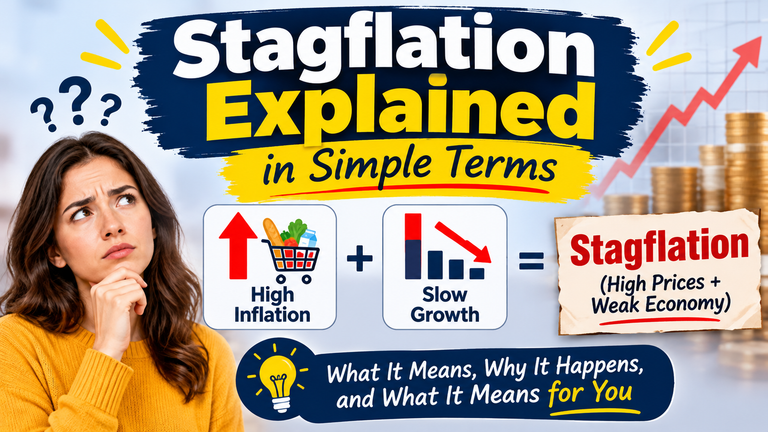
When these shocks hit alongside weak growth, the result can be especially painful. Our explainer on stagflation covers how that combination plays out.
4. Money Supply and Monetary Policy
The Federal Reserve influences how much money and credit flow through the economy, mainly by adjusting interest rates. When borrowing is cheap, people and businesses spend and invest more. That can boost demand and, if the economy can’t keep up, push prices higher.
Economists debate how strongly money supply growth drives inflation and how quickly. Most agree that policy matters, which is why the Fed raises rates when inflation runs hot and lowers them when the economy needs support.
5. Inflation Expectations
What people expect often becomes real. If households and businesses believe prices will keep rising, workers ask for bigger raises and companies raise prices sooner. Those actions can sustain the very inflation everyone feared.
That’s why central banks work to keep expectations stable. Credibility is one of their most valuable tools.
6. Wages and Labor Market Tightness
When jobs are plentiful and workers are scarce, employers compete by raising pay. Higher wages are good news for workers. If businesses then raise prices to cover higher labor costs, and workers push for more pay again, a wage-price cycle can form.
Economists disagree about how big this effect is. Wage growth is one factor among several, not a single culprit.
7. Government Spending, Taxes, and Trade Policy
Large government spending can add to demand. Tariffs and trade restrictions can raise the cost of imported goods and materials. Taxes can affect prices businesses charge and what consumers can spend.
The size and direction of these effects depend on the specific policy and the state of the economy at the time.
Demand-Pull vs. Cost-Push Inflation
Here is how the two main types compare.
| Feature | Demand-Pull Inflation | Cost-Push Inflation |
|---|---|---|
| Starting point | Too much demand | Higher production costs |
| Simple summary | Too much money chasing too few goods | Supply gets more expensive |
| Common triggers | Strong spending, easy credit, stimulus | Energy spikes, material costs, wage pressure |
| Effect on output | Often strong growth | Output may stall or fall |
| Typical response | Higher interest rates to cool demand | Harder to solve with rates alone |
Real-world inflation is usually a mix. Economists often argue about which factor dominated in a given period, and the answer can differ from one episode to the next.
What Happens When the Fed Fights Inflation?
The Federal Reserve’s main tool is the federal funds rate, which influences interest rates across the economy. When inflation is too high, the Fed can raise rates. Borrowing becomes costlier, spending cools, and price pressure may ease.
There’s a trade-off. Higher rates can slow growth and raise unemployment. Lower rates can support jobs but risk more inflation. That balancing act is the Fed’s dual mandate: maximum employment and stable prices.
How Inflation Affects You
Understanding how inflation affects you makes the abstract feel real.
- Your paycheck buys less if raises don’t keep up with prices.
- Cash loses purchasing power. Money in a low-yield account can fall behind rising costs.
- Borrowers and savers feel it differently. Fixed-rate debt can become easier to repay in cheaper future dollars, while new loans may get pricier as rates rise.
- Fixed-income households struggle most. Retirees and others with set payments feel the squeeze first.
- Budgets tighten. Essentials like food, housing, and energy take a bigger bite.
Want a sense of how fast purchasing power can slip? The Rule of 72 works for inflation as well as returns. Divide 72 by the annual inflation rate to estimate how many years it takes for prices to double. At 3 percent, that’s about 24 years. At 6 percent, about 12.
7 Smart Ways to Protect Your Budget From Inflation
You can’t control prices, but you can control your response. These are general ideas, not personal advice.
- Track your spending. You can’t fix what you can’t see. Sorting expenses into essentials and extras, as in our needs vs wants guide, shows where you have flexibility.
- Keep an emergency fund in an insured account. Look for competitive savings rates and confirm FDIC coverage. The FDIC deposit insurance page explains how it works.
- Shop around for your money. Online banks and neobanks sometimes offer better savings rates than traditional branches. Verify who holds your deposits first.
- Review recurring bills. Insurance, phone plans, and subscriptions often have cheaper alternatives.
- Pay down high-interest debt. Rising rates can make credit card balances heavier.
- Consider inflation-linked options. Treasury Inflation-Protected Securities and Series I savings bonds have returns tied partly to inflation. Details are on TreasuryDirect.
- Invest for the long term with a plan. Match your investments to your comfort with swings by understanding your risk tolerance, and think about growing your income through skills and career moves.
Common Mistakes People Make About Inflation
- Blaming a single cause. Most inflation episodes have several drivers.
- Confusing inflation with high prices. Inflation is the rate prices rise, not how expensive something already is.
- Assuming falling inflation means falling prices. Disinflation means prices rise more slowly. Prices actually falling is deflation, and it’s rare.
- Hoarding cash. Safety matters, but idle cash loses buying power over time.
- Making panic investment moves. Chasing “inflation-proof” assets after headlines often backfires.
- Ignoring your own inflation rate. Your personal costs may differ from the national average, depending on what you buy.
- Skipping the emergency fund. Rising costs make a cushion more valuable, not less. causes of inflation
Frequently Asked Questions
Why do prices go up over time?
Prices rise when demand outpaces supply, when production costs increase, or when people expect higher prices ahead. Monetary policy, wages, and supply disruptions also play roles.
What are the main causes of inflation?
Economists commonly point to demand-pull inflation, cost-push inflation, supply shocks, monetary policy, inflation expectations, wage pressures, and government or trade policy. Usually several work together. causes of inflation
What is the difference between inflation and deflation?
Inflation is a general rise in prices. Deflation is a general fall in prices. Both can cause problems if they become extreme or persistent.
Is some inflation good?
Many economists consider mild, stable inflation normal in a healthy economy. The Fed’s 2 percent goal reflects that view. Very high or unpredictable inflation, however, causes real hardship.
How is inflation measured in the US? causes of inflation
The most widely cited measure is the Consumer Price Index from the Bureau of Labor Statistics. The Fed also closely watches another gauge, the Personal Consumption Expenditures (PCE) price index.
How can I protect my savings from inflation?
Keep emergency cash in insured accounts with competitive rates, consider inflation-linked government securities, diversify long-term investments, and manage debt. No option is risk-free, so consider speaking with a qualified professional.
Final Thoughts
The causes of inflation are many: strong demand, rising costs, supply shocks, policy choices, expectations, wages, and government actions. They rarely work alone, and economists still debate how much weight each deserves.
You can’t stop prices from rising, but you can get ready. Know where your money goes, keep a cushion in an insured account, manage debt, and invest with a plan that fits your comfort level.
Take one step this week. Review your recurring bills or check where your savings sit. Then keep exploring Growwxritik for more guides on the causes of inflation and the habits that help you stay ahead.
Disclaimer: This article is for educational purposes only and is not financial, legal, tax, or investment advice. Economic conditions and policies change, and past events don’t predict future results. Consult a qualified professional about your situation.