You glance at your bank fees statement and spot a $12 charge you don’t remember agreeing to. A few weeks later, another one. Each looks small, so it’s easy to shrug and move on. But bank fees add up, and they tend to hit hardest when money is already tight.
The good news is that most of them are avoidable. This guide explains what bank fees are, which ones are most common, and how to avoid bank fees with nine practical steps. You’ll also see the mistakes that keep people paying and what to do if you’ve already been charged.
What Are Bank Fees?
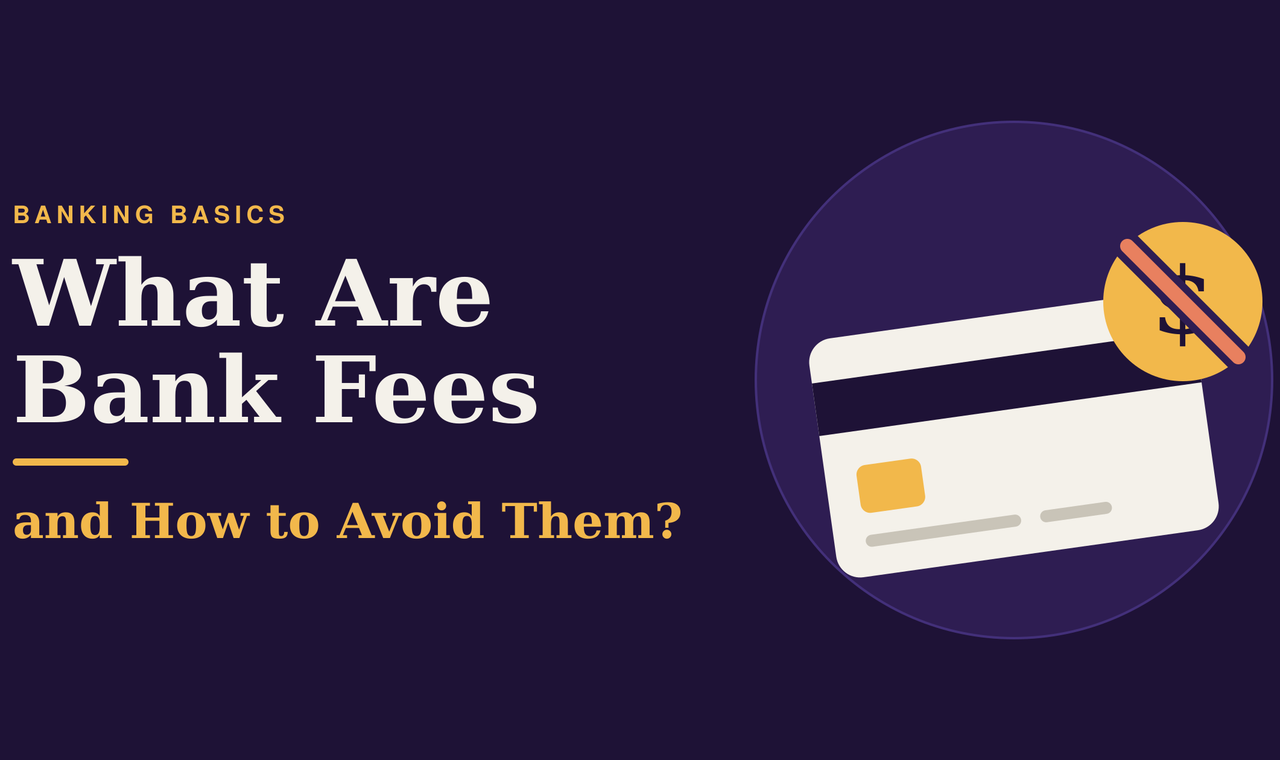
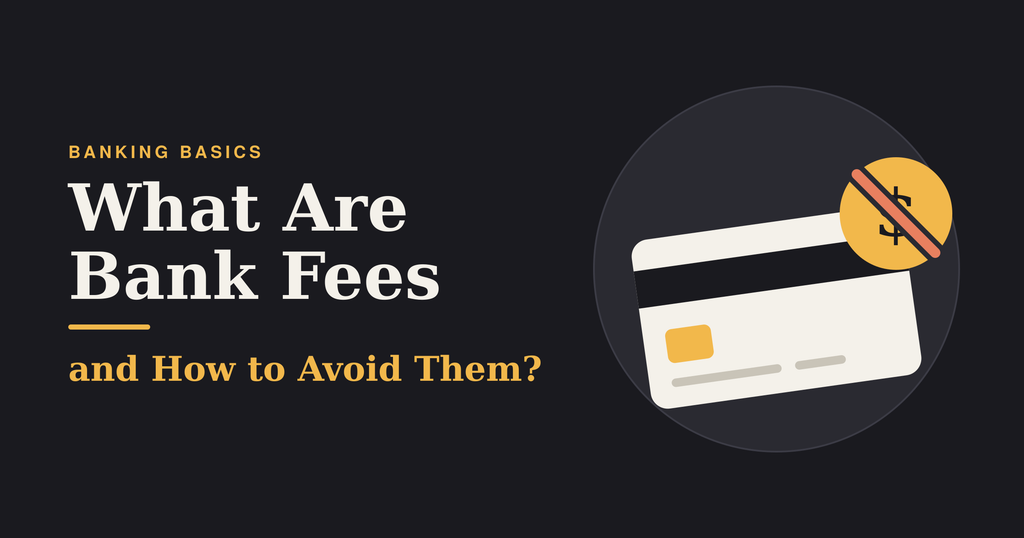
Bank fees are charges a financial institution collects for running your account or providing certain services. Some are flat monthly charges. Others are triggered by an action, like overdrawing your account or using an out-of-network ATM.
Banks use them to cover costs and earn revenue. Many are legal and disclosed, but that doesn’t mean they’re unavoidable. Investopedia’s overview of overdrafts is a useful companion read if you want more background.
Here’s why they matter. Say you pay a $12 monthly fee. That’s $144 a year, and $1,440 over ten years, before counting what that money could have earned if you’d saved or invested it. Our guide to the Rule of 72 shows how quickly money can grow when you keep it, which is exactly why leaks matter.
The Most Common Bank Fees
Not every account charges every fee, and amounts vary by bank. Here’s a quick map of what to look for.
| Fee Type | What It Is | Common Way to Avoid It |
|---|---|---|
| Monthly maintenance fee | A recurring charge for keeping the account open | Pick a no-fee account or meet waiver requirements |
| Overdraft fee | Charged when a payment is covered even though your balance is too low | Opt out of coverage, set alerts, keep a buffer |
| Non-sufficient funds (NSF) fee | Charged when a payment is declined or returned for lack of funds | Track your balance and link a backup source |
| Out-of-network ATM fee | Charged by the ATM owner, your bank, or both | Use in-network or surcharge-free ATMs |
| Paper statement fee | A charge for mailed statements | Switch to e-statements |
| Wire transfer fee | Charged for sending or receiving a wire | Use free transfer options when possible |
| Inactivity fee | Charged when an account sits unused | Make small periodic transactions or close it |
| Foreign transaction fee | Charged on purchases made abroad or in other currencies | Use a card that waives them |
| Stop-payment or replacement card fee | Charged for specific service requests | Ask whether the fee can be waived |
Your bank’s fee schedule is the final word on what applies to you. Banks are required to give you fee information when you open an account, so ask for it up front.
Overdraft Fees and NSF Fees: The Costly Ones
Of all the bank fees, overdraft charges tend to sting the most, because one small purchase can trigger a much larger fee.
Here’s a made-up example. You have $5 in checking and buy a $20 lunch with your debit card. If your bank approves it through overdraft coverage and charges a $35 fee, that lunch effectively cost $55. Fee amounts vary widely by bank, so check your own schedule.
Two things to understand:
- Overdraft fees apply when the bank pays a transaction even though your balance is too low.
- NSF fees apply when the bank declines or returns the payment instead.
Under federal rules, banks generally have to get your permission, called opting in, before charging overdraft fees on ATM withdrawals and one-time debit card purchases. That rule doesn’t cover everything, though. Checks and automatic bill payments can still be handled differently. The CFPB’s bank account resources explain these options in plain language.
Policies are changing too. Some banks have reduced overdraft fees or dropped NSF fees entirely, so compare before you commit.
The Monthly Maintenance Fee
A monthly maintenance fee is one of the easiest bank fees to overlook because it’s charged quietly and regularly. Many banks will waive it if you meet certain conditions, such as:
- Keeping a minimum daily or average balance
- Setting up qualifying direct deposits
- Linking multiple accounts
- Qualifying for a student, youth, or senior account
If your account charges one and you don’t meet the requirements, you have two options. Change your habits to qualify, or move to an account that doesn’t charge a monthly maintenance fee at all.
ATM Fees: The Double Charge
ATM fees can come from two places at once. The ATM operator may add a surcharge, and your own bank may add an out-of-network fee on top. Withdraw $40 from the wrong machine and you could pay twice.
Ways to dodge them:
- Use your bank’s own ATMs or its surcharge-free network.
- Take cash back at a grocery store or pharmacy when you make a debit purchase.
- Withdraw larger amounts less often, if that fits your budget and safety needs.
- Choose a bank that reimburses ATM fees, if you travel often.
How to Avoid Bank Fees: 9 Simple Ways
You don’t need to do everything at once. Start with the fees that cost you most.
1. Read the Fee Schedule Before You Open an Account
Ask for the full fee schedule and scan it for monthly charges, overdraft policies, ATM rules, and minimums. Five minutes here can save hundreds of dollars later.
2. Choose an Account With No Monthly Fee
Many online banks, credit unions, and app-based providers offer accounts with no maintenance fee. If you want to understand how app-first providers work, read our explainer on what is a neobank. Whichever route you pick, confirm the money is held at an FDIC-insured bank. The FDIC deposit insurance page explains how coverage works.
3. Meet the Waiver Requirements
If you like your current bank, ask exactly what it takes to waive the fee. Sometimes redirecting a paycheck to the account is enough. Make sure the requirement fits your life before you rely on it.
4. Decline Overdraft Coverage if You Don’t Want It
If you opt out of overdraft coverage for debit card and ATM transactions, a purchase you can’t afford is typically declined instead of triggering a fee. Being declined at the register can be awkward, but it’s usually cheaper than a surprise charge. Ask your bank how to change this setting.
5. Set Alerts and Keep a Buffer
Turn on low-balance and large-transaction alerts. Then try to keep a small cushion in checking, even $100 to $200 if you can manage it. A buffer turns a near miss into a non-event.
6. Use In-Network ATMs
Before you travel or run errands, check your bank’s ATM locator. A short detour can save you a fee or two.
7. Go Paperless
Switching to e-statements is easy and removes any paper statement fee. It’s also better for tracking your money, since digital records are searchable.
8. Link a Backup Source of Funds
Some banks let you link savings to cover shortfalls. This can cost less than a standard overdraft fee, though some banks charge a small transfer fee, so check the details first.
9. Review Your Statement Every Month
Scan for charges you don’t recognize. If something looks wrong, call your bank right away. Sorting spending into essentials and extras, as we describe in our needs vs wants guide, also makes it easier to spot subscriptions or services you can cut.
Traditional Bank vs. Credit Union vs. Online Bank
Where you bank affects how much you pay. These are general patterns, not rules, so compare specific accounts.
| Feature | Large Traditional Bank | Credit Union | Online Bank or Neobank |
|---|---|---|---|
| Monthly fees | Often present unless waived | Often low or none | Often none |
| Branch access | Many branches | Limited, but shared networks exist | Usually none |
| ATM access | Large network | Surcharge-free shared networks may apply | Partner networks, varies |
| Cash deposits | Easy | Easy at branches or shared locations | Often more limited |
| Deposit insurance | FDIC | NCUA | FDIC (through the bank partner); verify |
The best choice depends on whether you handle a lot of cash, how much you travel, and how much in-person help you want.
Common Mistakes That Keep You Paying Bank Fees
- Never reading the fee schedule. Surprises usually trace back to fine print.
- Assuming “free checking” means zero fees. It might still charge for overdrafts, ATMs, or wires.
- Using whichever ATM is closest. Convenience can cost you twice.
- Letting the balance run close to zero. Small timing gaps are a common overdraft trigger.
- Ignoring email and text alerts. The warning is only useful if you read it.
- Opting in to overdraft coverage by default. Make it a decision, not an accident.
- Keeping an unused account open. It might be racking up inactivity charges.
- Staying put out of habit. Loyalty doesn’t earn you lower fees. Comparing does.
What to Do If You’ve Been Charged
Charged a fee you didn’t expect? Try this:
- Call or message your bank. Be polite and specific about the charge.
- Ask for a courtesy waiver. Many banks will refund a fee once, especially for long-time customers or first-time mistakes.
- Ask how to prevent it. Request a change to your overdraft settings, alerts, or account type.
- Escalate if needed. If you believe a charge is wrong or the bank isn’t responding, you can submit a complaint to the CFPB through its website.
- Consider switching. If fees keep piling up, a different account may serve you better.
Closing an account has its own steps, so keep your old account open until direct deposits and automatic payments have moved. Otherwise you risk a missed payment or another fee.
Frequently Asked Questions
What are the most common bank fees?
The most common include monthly maintenance fees, overdraft and NSF fees, out-of-network ATM fees, paper statement fees, wire transfer fees, and inactivity fees. Which ones apply depends on your bank and account type.
How can I avoid bank fees completely?
You may not avoid every charge, but you can avoid most. Choose an account with no monthly fee, opt out of overdraft coverage if it makes sense for you, use in-network ATMs, switch to e-statements, and watch your balance. These steps address the biggest sources of bank fees.
Are overdraft fees legal?
Yes, banks can charge them, but there are rules about disclosure and, for certain debit card and ATM transactions, customer consent. Rules and bank policies change, so check the CFPB for current guidance.
Will my bank refund a fee if I ask?
Often it will, at least once. Banks have discretion, so there’s no guarantee. A polite, direct request, especially for a first-time mistake, is worth trying.
Do online banks charge fewer fees?
Many do, because they don’t maintain branch networks. That’s a general pattern, not a promise, so read the fee schedule. Also confirm the institution is FDIC-insured, or NCUA-insured if it’s a credit union.
Can bank fees hurt my credit score?
Bank fees themselves don’t appear on your credit reports. But if an unpaid balance or negative account ends up in collections, it can affect your credit. That’s one more reason to deal with fees promptly.
Final Thoughts
Bank fees feel small, but they’re one of the most fixable leaks in a personal budget. Read your fee schedule, pick an account that fits how you actually bank, set alerts, and review your statements. Those few habits can keep a surprising amount of money in your pocket.
Start this week. Log in, scan the last three months of statements, and circle every charge you didn’t intend. Then call your bank and ask about waivers or a better account. For more practical money guides, keep exploring Growwxritik.
Disclaimer: This article is for educational purposes only and is not financial, legal, or tax advice. Bank fees, policies, and regulations change, so verify details with your financial institution and consult a qualified professional for your situation.